
How to calculate the cost per cup of office coffee
Divide the cost of the coffee, milk and supplies you use by the number of drinks you serve. Add machine and service costs to compare purchase options.
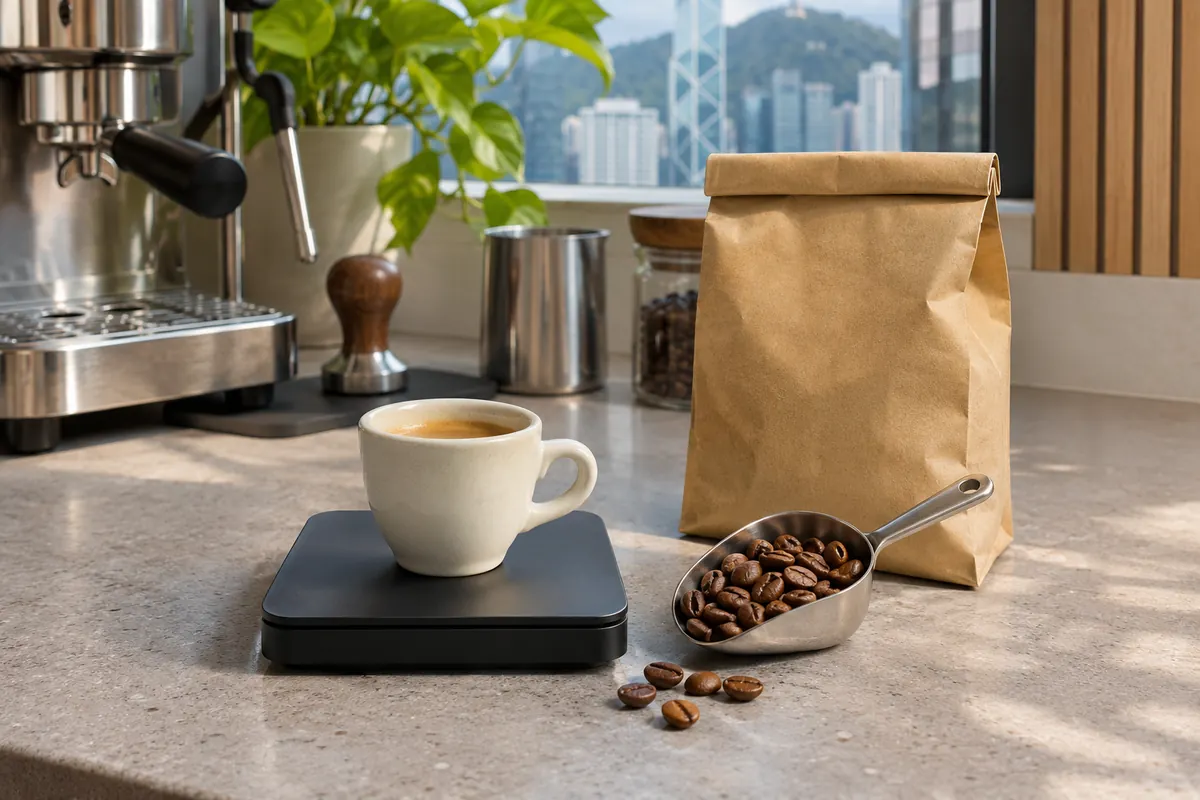
Start with the coffee in one cup
For capsules, divide the box price by the number of capsules in the box, then multiply by the number your drink uses. For beans, divide the bag weight by the dose for your usual recipe. For example, a 1 kg bag at a measured 10 g per drink gives a theoretical 100 drinks. Divide the bag price by 100 for the ingredient estimate. Use your own dose for double shots. Purges, spills and test pours reduce the number actually served.
Add milk and consumables
For a latte using 150 ml of milk, multiply the price of a one-litre carton by 0.15. For an office-wide figure, add the coffee, milk, cleaning materials and filters used over one period and divide by the drinks people actually received. Start with the value of the supplies on hand, add purchases and subtract what is left at the end. Include partly used bags and cartons in both stock counts. This gives you the supplies cost per drink.
Compare what you’ll pay over the same period
When you compare machine quotes, use the same term and number of drinks for an outright purchase and a rental. Add the purchase and installation price or the plan payments. Add any supplies and service you’ll pay for separately. Divide by the drinks you expect to serve in that period. If the monthly fee includes beans, count the fee once and add only extra purchases. Include any minimum order you still have to pay for in quiet months. Show who owns the machine at the end beside each figure. That matters if you’ll keep using a machine after you’ve paid for it.